
Access to high-quality learning is uneven across Cleveland neighborhoods. That unevenness shapes what families can choose and what students experience day to day.
Our work focuses on strengthening the conditions that allow high-quality learning opportunities to grow, improve, and endure, while sharing clear, public information about quality. We work alongside educators, families, and civic leaders to build on what is working, address persistent challenges, and reduce constraints that limit access to consistent, high-quality learning.
We do not operate schools or manage day-to-day implementation. Our role is to support decision-making, alignment, and investment in ways that help strong learning environments develop and reach more students over time.
We rely on public, comparable data, including Ohio’s state school ratings, to help make differences in access to high-quality learning visible and understandable. We are clear about what the data shows and where it falls short. What you can expect from us is clear purpose, evidence-informed decisions, and follow-through that stays focused on outcomes that matter for students.

We plan alongside school and system leaders. We start by listening to the realities they face, then support practical steps that fit within real constraints and existing responsibilities.
We rely on public, comparable data to help make differences in access to high-quality learning visible and understandable. We are transparent about what the data shows, how it is constructed, and where it falls short, so it can be used responsibly by educators and families.
We do not govern schools or make decisions for communities. Our role is to support clarity, shared understanding, and responsible use of information, while working alongside leaders and families within defined boundaries.
We invest in tools, grants, and partnerships that strengthen leaders’ ability to deliver high-quality learning over time. We are deliberate about where we ask for effort, focusing on work that is feasible, aligned, and most likely to improve learning experiences for students.

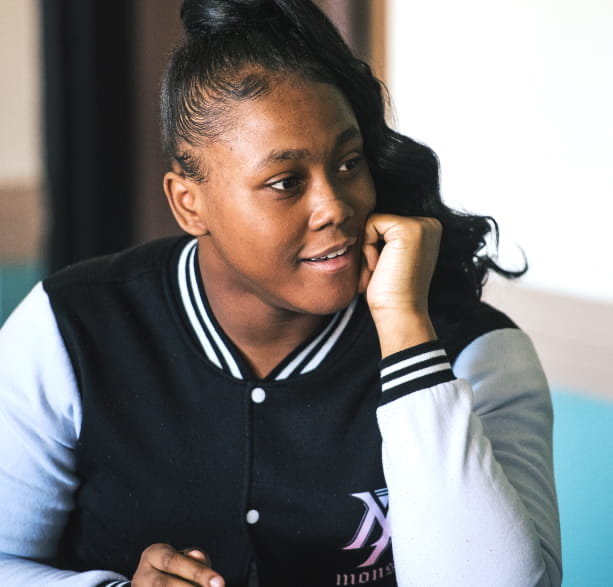
Quality is not a label. It is the daily experience students have in a learning environment.
At launch, Future Ready Cleveland defines high-quality learning as schools rated 4 or 5 stars on Ohio’s public school report card. We use this definition because it is public, comparable across schools statewide, and familiar to families navigating school options.
We are clear that this is a starting point, not a complete picture.
State ratings do not capture every aspect of learning, but they do provide a meaningful, shared signal of whether schools are delivering strong instruction, stable learning conditions, and consistent results over time.
Quality only matters if families can access it. Making clear, trustworthy information available is a responsibility, not a feature.
Students experience grade-level learning across classrooms. Teaching builds knowledge over time, so a student’s progress does not depend on who their teacher happens to be.
The school day is calm, orderly, and focused on learning. Expectations are clear, adults respond consistently, and learning time is protected.
Teachers are supported to grow and stay. When staffing changes happen, instruction continues and students experience as little disruption as possible.
Students attend school regularly and make progress year over year. What families see in public data matches what schools say they offer day to day.
Our values guide how we work and how we make decisions. They show up in our behavior, in how we partner, and in the standards we hold for ourselves.
Our work is grounded in the belief that every student deserves access to a high-quality learning experience regardless of neighborhood, background, or school type. We do not work directly with students, but every decision we make is guided by whether it improves the learning conditions students experience day to day.
To do that, we work alongside the people closest to Cleveland’s education system:
We partner with educators and school leaders to strengthen the conditions for consistent, high-quality learning. Our role is to support clarity around what is working, surface where challenges persist, and invest in practical efforts that improve stability and outcomes over time.
We provide clear, accessible information so families and community members can understand their options and engage with confidence. Our work is designed to make differences in access and quality visible so decisions about education are informed, grounded, and transparent.
We support leaders responsible for shaping systems and stewarding public resources by providing shared data, analysis, and context. Our focus is on helping decision-makers understand tradeoffs, align efforts, and act responsibly in service of students’ long-term success.
Support the growth and improvement of high-quality learning opportunities so more students experience strong, consistent learning every day
Make public data more accessible by explaining what it shows, how it is built, and where it has limits
Provide targeted tools, grants, and capacity support that help reduce operational strain and support effective execution
Help align effort and resources around evidence of what is working for students and families
Share proof, not promotion, so decisions are grounded in results rather than claims
Run schools or manage classrooms
Set district or state policy
Govern schools or make decisions on behalf of communities
Take partisan political positions
Create additional reporting or compliance burdens for school teams


