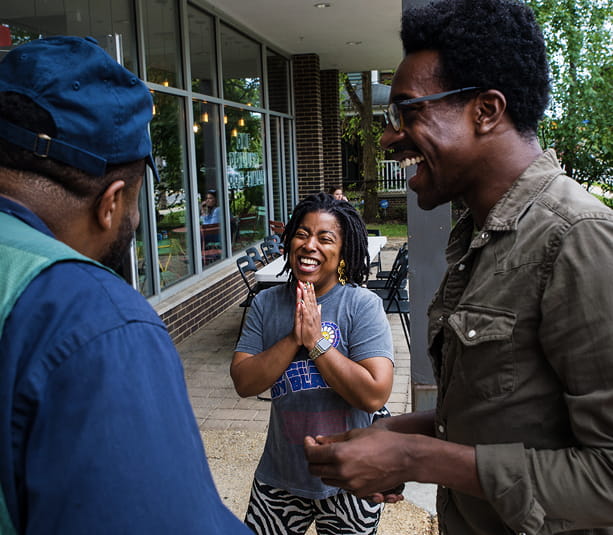
Future Ready Cleveland provides school and network leaders with clear, usable information about school performance, enrollment patterns, and system conditions that shape learning experiences across Cleveland.
We organize and interpret public data, synthesize relevant research, and share insights from national work in similar contexts. We apply a consistent bar for quality grounded in state measures and connect leaders to expertise that can inform planning and long-term decision-making. Our role is to help leaders see patterns, understand tradeoffs, and anticipate what comes next, not to manage schools or direct classroom practice.
This work is designed to support leaders as they make real decisions about where to invest and how to deliver strong learning experiences for students in our community.
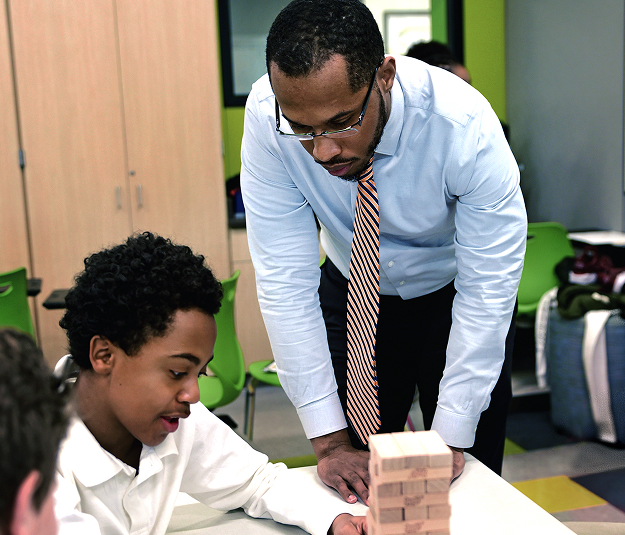
Future Ready Cleveland works to strengthen the conditions for high-quality learning experiences across the city. We focus on what is shared, measurable, and useful to leaders who are responsible for results.
Use public, comparable measures as a shared starting point for understanding quality
Help leaders focus on the questions and challenges that matter most before acting
Support disciplined approaches to improvement that respect limited time and capacity
Invest in work tied to clear outcomes and realistic execution
Provide clarity that supports alignment across schools, systems, and partners
Operate schools or manage staff
Set strategy or make decisions on behalf of school leaders, boards, or districts
Add reporting requirements that do not meaningfully support learning or decision-making
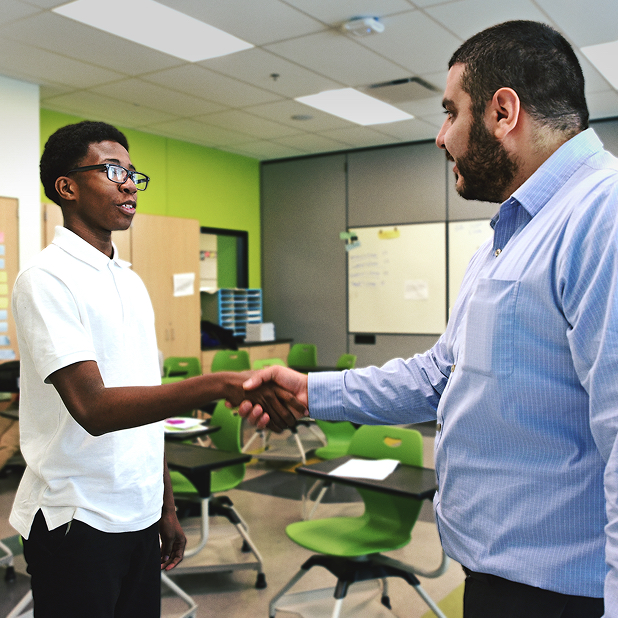
We aim to be clear about our role and thoughtful about how we engage, so leaders can decide when and how our work is most useful.
We begin with evidence and shared reference points, not assumptions.
We work with leaders to understand what is shaping outcomes and where attention matters most.
We align our work to existing structures, responsibilities, and timelines.
We focus on learning opportunities and students most affected by long-standing systemic barriers.
Our engagement is designed to support leaders navigating complex decisions while staying accountable for results.
We focus on work that strengthens learning conditions and expands access to high-quality learning experiences for Cleveland students over time.
Clear alignment to instruction, school climate, or student experience
Select nonprofit partners whose work directly supports school quality or access
Capacity to execute without adding unnecessary burden to schools
Relevance to students and communities most affected by inequality
When we consider an investment, we look for:
A clearly defined opportunity grounded in local context
A credible approach informed by evidence or prior results
A realistic plan that reflects staff capacity and timelines
Clear use of funds connected to specific activities, milestones, or outcomes
Future Ready Cleveland does not operate open grant cycles.
Investment decisions are made throughout the year based on readiness, alignment, and available resources.
Nonprofit schools and networks serving Cleveland students
Select nonprofit partners whose work directly supports learning conditions, school quality, or access
Future Ready Cleveland does not run improvement cycles inside schools. We do not manage implementation or direct school-level work. Instead, we pay close attention to what effective improvement looks like across Cleveland learning opportunities. This informs where we invest, what we support, and how we assess progress over time.
Across schools that improve learning experiences and sustain quality, we consistently see a shared set of elements.
Leaders can name the problem precisely and use shared data and evidence across classrooms, schools, and networks to ground their work.
Effort is directed toward factors that schools and leaders can realistically influence, rather than constraints they cannot change.
Changes fit the school context and staffing reality, and are feasible within existing roles, schedules, and responsibilities.
Improvement efforts are translated into clear actions, with defined ownership and expectations for follow-through.
Leaders can point to early indicators that show whether the work is strengthening learning conditions and improving student experience
These elements help distinguish activity from improvement. They also provide a common lens for understanding which efforts are likely to hold up over time.
This work draws on perspectives from education practice and research, informed by Cleveland’s local context. Definitions and measures are grounded in public data and designed to be shared and comparable across schools.
We are transparent about how measures are built and clear about what they can and cannot tell us. At launch, we use Ohio’s public 4- and 5-star school ratings as a common reference point, not as a complete picture of school quality.